Ritigala is one of Sri Lanka’s most fascinating and lesser-known tourism destinations, located in the North Central Province near Habarana. Rising above the surrounding dry zone plains, the Ritigala mountain range offers visitors a unique blend of natural beauty, ancient history, and spiritual tranquility. Unlike crowded tourist hotspots, Ritigala provides a peaceful escape into untouched wilderness.
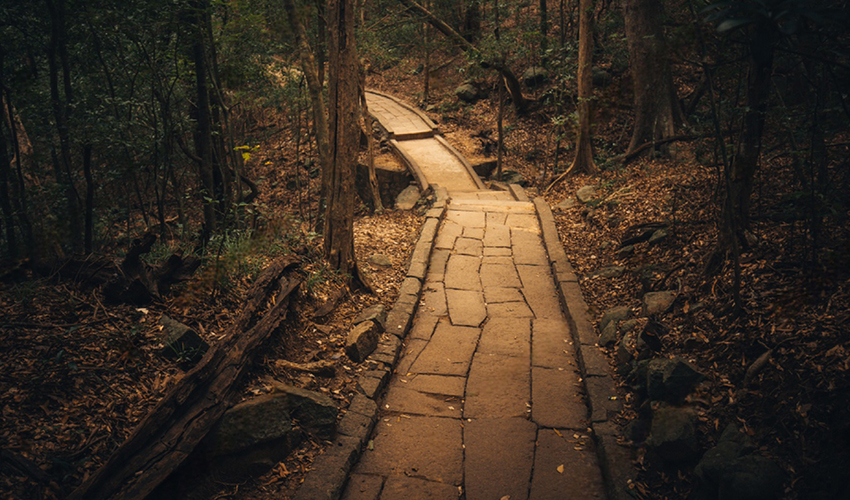
One of the main attractions of Ritigala tourism is its rich natural environment. The forest reserve is known for its cool and misty climate, even during dry seasons. Dense vegetation, rare medicinal plants, natural streams, and scenic walking trails make Ritigala an ideal destination for nature lovers, hikers, and eco-tourists. The quiet atmosphere allows visitors to fully experience the calmness of the jungle.
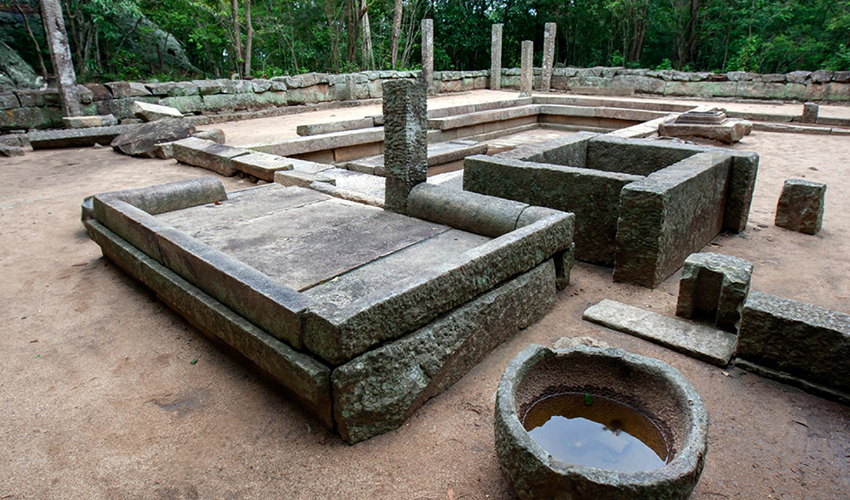
Ritigala is also an important heritage site. Within the forest are the ruins of an ancient Buddhist monastery dating back to the Anuradhapura period. Visitors can explore stone pathways, meditation platforms, ponds, and ancient bridges that reflect the disciplined and spiritual lifestyle of forest monks. These archaeological remains add great cultural value to the tourism experience.
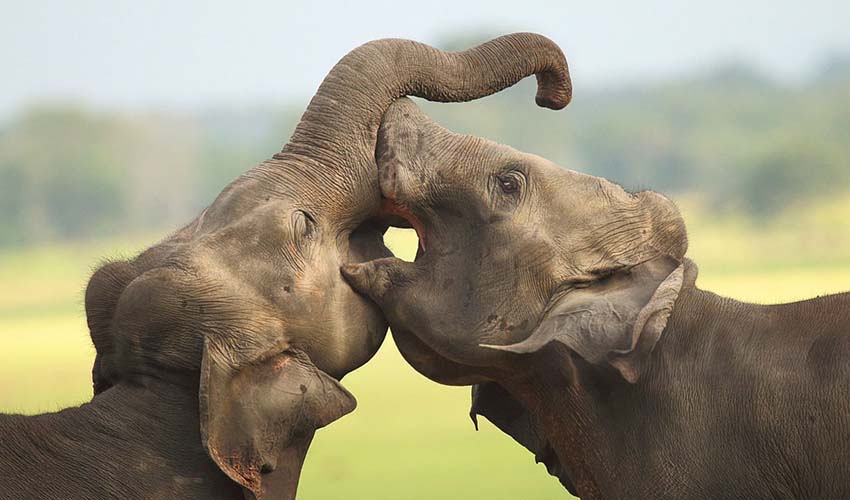
Wildlife is another key attraction of Ritigala tourism. The jungle provides shelter for elephants, deer, monkeys, reptiles, birds, and many endemic species. Although Ritigala is a strict nature reserve, guided visits allow tourists to observe wildlife responsibly without disturbing the natural habitat. This makes Ritigala an excellent destination for eco-friendly and sustainable tourism.
Ritigala also holds legendary importance in Sri Lankan folklore. It is believed to be linked to the Ramayana epic, adding a mythical charm that attracts visitors interested in ancient legends and traditional beliefs. This blend of mythology and nature enhances the uniqueness of Ritigala as a tourism destination.
Tourism in Ritigala is carefully managed to protect its fragile ecosystem. Visitors are encouraged to follow guidelines such as staying on marked paths, avoiding littering, and maintaining silence. Responsible tourism helps preserve the area while supporting local communities through eco-lodges, guides, and small businesses.
In conclusion, Ritigala tourism offers a rare opportunity to experience Sri Lanka’s natural beauty, ancient heritage, and spiritual peace in one destination. It is an ideal location for travelers seeking nature, history, and serenity away from modern distractions. By promoting sustainable tourism, Ritigala can remain a timeless treasure for generations to come.



Leave A Comment