The Sri Lankan Elephant and the Importance of Ritigala Jungle
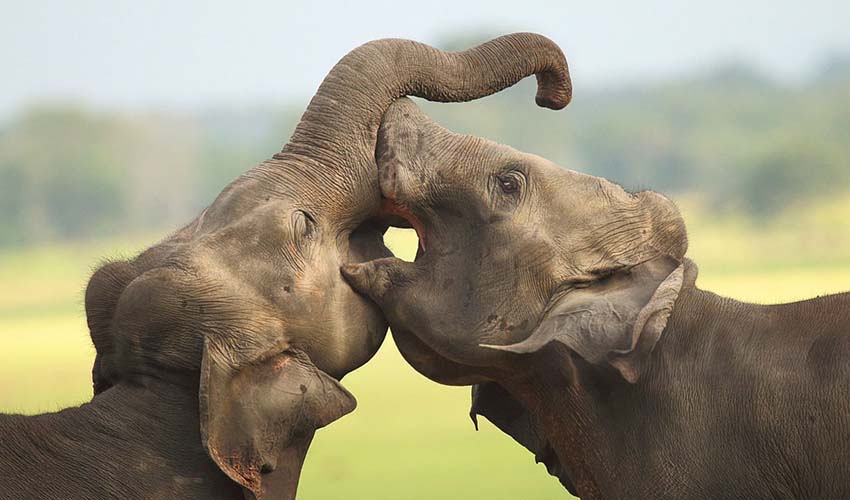
The Sri Lankan elephant (Elephas maximus maximus) is one of the most significant and majestic animals found in Sri Lanka. As the largest land mammal on the island, it plays a vital role in maintaining ecological balance and holds great cultural, religious, and historical importance. Protecting the natural habitats of these elephants is essential for their survival, and the Ritigala jungle is one such important refuge.
Sri Lankan elephants are mainly found in the dry zone forests, grasslands, and protected areas of the country. They require large territories for feeding, water, and movement. These elephants are herbivores and depend on diverse forest vegetation, including grasses, leaves, fruits, and tree bark. Forests not only provide food but also shade, water sources, and safe migration paths.
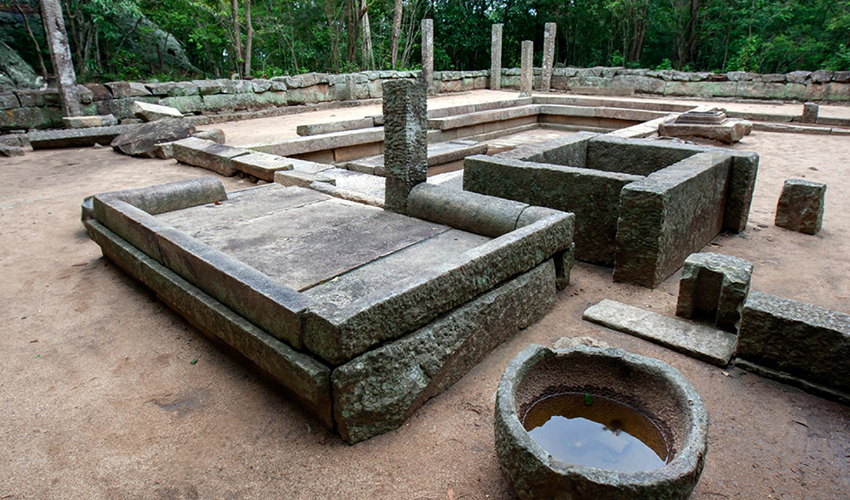
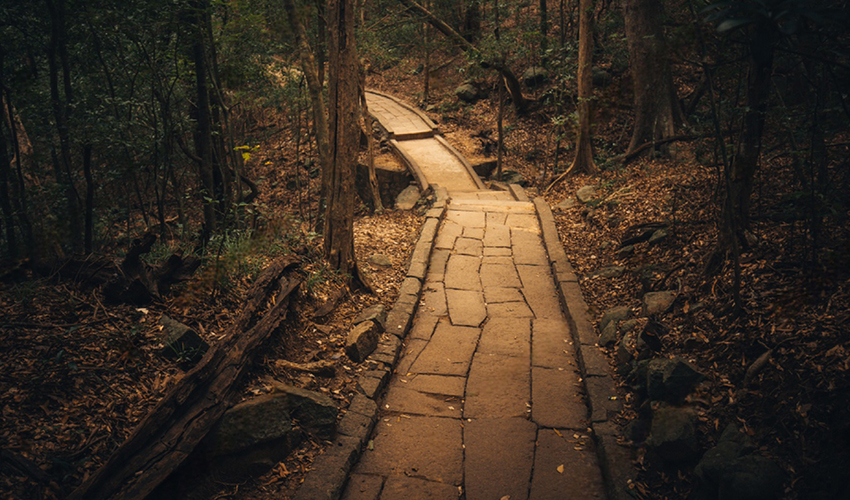
Ritigala jungle, located in the North Central Province of Sri Lanka, is a unique and ancient forest reserve. Surrounded by dry zone forests, Ritigala stands out due to its rich biodiversity, dense vegetation, and cooler micro-climate. This jungle provides an ideal natural environment for Sri Lankan elephants, especially during dry seasons when water and food are scarce in surrounding areas.
One of the most important ways Ritigala jungle helps elephants is by offering a safe habitat and natural corridors for movement. Elephants use forested areas like Ritigala to migrate between feeding grounds while avoiding human settlements. The jungle also contains natural water sources, streams, and moist forest patches that support elephants throughout the year.
In addition, Ritigala’s thick forest cover reduces human-elephant conflict by acting as a buffer zone. When elephants have access to sufficient food and water within the forest, they are less likely to wander into nearby villages and farmlands. This helps protect both elephants and local communities.
Ritigala jungle also contributes to the long-term conservation of elephants by preserving biodiversity and maintaining healthy ecosystems. The forest supports many plant species that elephants rely on for nutrition, while elephant movement helps spread seeds and regenerate the forest, creating a balanced natural cycle.
In conclusion, the Sri Lankan elephant depends heavily on protected forests for survival, and Ritigala jungle plays a crucial role in providing shelter, food, water, and safe passage. Conserving Ritigala is not only important for elephants but also for safeguarding Sri Lanka’s natural heritage. By protecting such forests, Sri Lanka can ensure a future where humans and elephants coexist peacefully.
3 Replies to “The Sri Lankan Elephant and the Importance of Ritigala Jungle”
Mike Hardson
Lorem ipsum is simply free text used by copytyping eque porro est qui dolorem ipsum quia quaed inventore veritatis et quasi architecto beatae vitae dicta sunt explicabo.
Lorem ipsum is simply free text used by copytyping eque porro est qui dolorem ipsum quia quaed inventore veritatis et quasi architecto beatae vitae dicta sunt explicabo.
Lorem ipsum is simply free text used by copytyping eque porro est qui dolorem ipsum quia quaed inventore veritatis et quasi architecto beatae vitae dicta sunt explicabo.



3 Replies to “The Sri Lankan Elephant and the Importance of Ritigala Jungle”
Mike Hardson
Lorem ipsum is simply free text used by copytyping eque porro est qui dolorem ipsum quia quaed inventore veritatis et quasi architecto beatae vitae dicta sunt explicabo.
Hardson Albert
Lorem ipsum is simply free text used by copytyping eque porro est qui dolorem ipsum quia quaed inventore veritatis et quasi architecto beatae vitae dicta sunt explicabo.
John Albert
Lorem ipsum is simply free text used by copytyping eque porro est qui dolorem ipsum quia quaed inventore veritatis et quasi architecto beatae vitae dicta sunt explicabo.